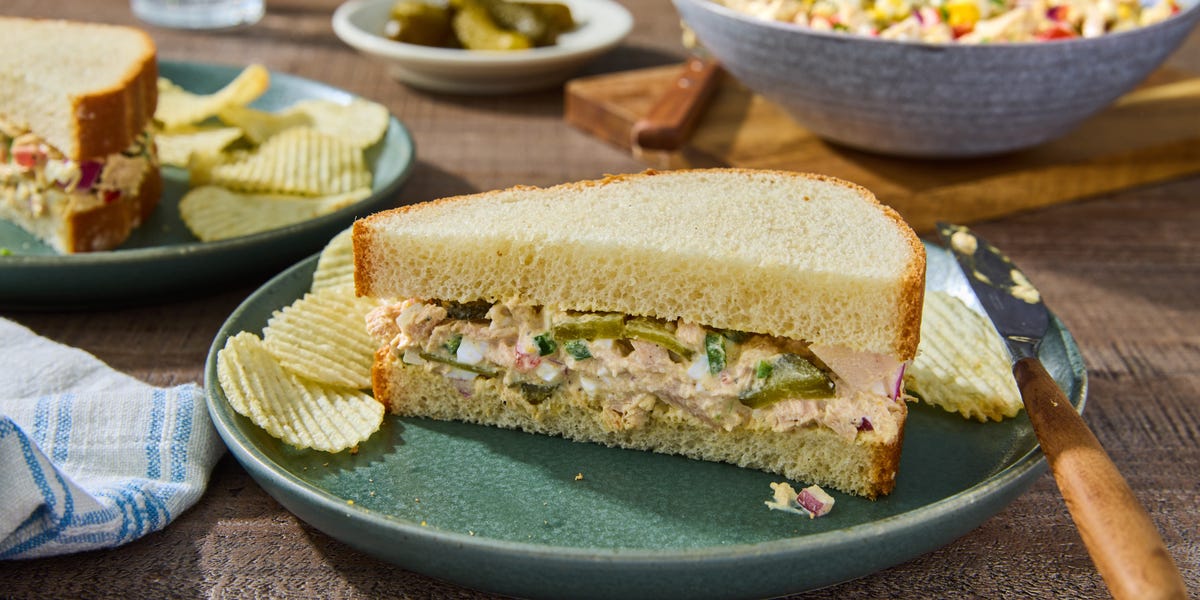
Craft Your Best Tuna Salad: Key Ingredients & Customization Guide
Tuna salad is more than just a simple meal; it’s a culinary canvas, a nostalgic staple, and for many, the ultimate comfort food. Whether you’re packing a quick lunch, preparing a light dinner, or serving an elegant appetizer, a well-made tuna salad recipe offers unparalleled versatility and satisfaction. While everyone seems to have their own "secret" version, the beauty lies in its adaptability. This guide will walk you through the essential ingredients for a classic preparation, offer expert tips for flawless execution, and inspire you to customize your own perfect batch.The Foundation: Choosing Your Tuna Wisely (and Draining It Right!)
The star of any tuna salad is, naturally, the tuna itself. The choice you make here significantly impacts the final taste and texture of your dish.There are generally three types of canned tuna available:
- Solid White (Albacore): Known for its firm texture and mild flavor. It holds up well to mixing and is often preferred for a heartier salad.
- Chunk Light (Skipjack or Yellowfin): Offers a softer, flakier texture and a slightly stronger "tuna" flavor. It's more economical and blends easily.
- Flaked: The most finely broken-down option, excellent for a very creamy, smooth salad.
Beyond the cut, consider how your tuna is packed:
- In Water: This is a popular choice for a lighter flavor profile, allowing other ingredients to shine. It's often lower in calories and fat.
- In Oil (Olive Oil): Tuna packed in olive oil offers a richer, more luxurious mouthfeel and deeper flavor. It can add a wonderful complexity to your tuna salad, but remember to adjust other fat-containing ingredients accordingly.
Essential Ingredients for a Classic Tuna Salad Recipe
A truly classic tuna salad recipe relies on a harmonious balance of creamy, crunchy, and tangy elements. Here's a breakdown of the core components that build that beloved flavor profile:- Mayonnaise: The undisputed champion of tuna salad dressings, mayonnaise provides the creamy base that binds all the ingredients together. Start with about 1/2 cup for two 12-ounce cans of tuna, then adjust to your preferred creaminess. For a healthier twist or different flavor, consider a blend of mayo with Greek yogurt or even a creamy avocado mash.
- Crunchy Vegetables: These are vital for textural contrast.
- Celery: Finely chopped celery adds a refreshing, crisp bite and a subtle earthy flavor. Aim for uniform, small pieces (1/8- to 1/16-inch) for a silky smooth texture throughout.
- Red Onion: It brings a sharp, zesty kick. If you find raw onion too potent, a pro tip is to mince the red onion and soak it in a bowl of cold water for 5-10 minutes while you prep other ingredients. This mellows its bite significantly, allowing it to blend seamlessly without overpowering the other flavors.
- Hard-Boiled Egg: A beloved addition to many classic tuna salad recipes, finely chopped hard-boiled egg adds richness, depth, and an extra layer of creamy texture. It complements the tuna beautifully.
- Tangy Elements: These bright ingredients cut through the richness and elevate the entire dish.
- Dill Pickles or Sweet Pickle Relish: Finely chopped dill pickles provide a fantastic briny counterpoint, while sweet pickle relish offers a different kind of tang with a touch of sweetness. Two tablespoons is a good starting point.
- Dijon Mustard: A teaspoon and a half of Dijon mustard adds a sophisticated, sharp tang and helps emulsify the dressing.
- Lemon Pepper or Fresh Lemon Juice: A dash of lemon pepper or a squeeze of fresh lemon juice at the end brightens all the flavors, adding a fresh, zesty finish. This optional step is highly recommended by culinary experts!
For more detailed insights on balancing these flavors and perfecting your basic recipe, check out our guide on Perfecting Classic Tuna Salad: Essential Ingredients & Pro Tips.
Elevating Your Tuna Salad: Beyond the Basics & Customization
While the classic tuna salad recipe is undeniably delicious, its true magic lies in its infinite potential for customization. This is where you can truly craft *your* best tuna salad, tailored to your palate.Consider these additions to explore new flavor dimensions:
- For a Kick:
- Jalapeño: A finely minced fresh jalapeño (seeds removed for less heat) adds a subtle, surprising warmth without overwhelming the salad.
- Sriracha or Hot Sauce: Stir in a dash for an extra spicy punch.
- Cayenne Pepper: A pinch can add a gentle heat.
- For Extra Freshness & Herbs:
- Fresh Herbs: Chopped fresh dill, parsley, chives, or tarragon can add incredible aromatic complexity.
- Bell Peppers: Finely diced green, red, or yellow bell peppers provide extra crunch and a hint of sweetness.
- Capers: These briny little buds offer a pungent, salty burst of flavor that pairs wonderfully with tuna.
- Olives: Chopped Kalamata or green olives can introduce a Mediterranean flair.
- For Creaminess & Texture Variations:
- Avocado: Mashed avocado can replace some of the mayonnaise for a healthier, richer, and creamier texture (note: avocado-based salads are best eaten fresh).
- Plain Greek Yogurt: A good substitute or addition to mayonnaise for a tangier, protein-packed dressing.
- Pecans or Walnuts: Toasted and chopped, they add a delightful nutty crunch.
- For Umami & Depth:
- Worcestershire Sauce: A tiny dash can add a subtle savory depth.
- Smoked Paprika: For a hint of smokiness.
- Pickle Juice: A splash of pickle juice from your jar can enhance the tanginess of the dressing and add another layer of flavor.
Remember, tuna salad is incredibly forgiving! Experiment with small batches until you discover your favorite combination. Taste as you go, and don't be afraid to adjust seasonings.
Pro Tips for Perfect Tuna Salad Every Time
Achieving that perfect tuna salad isn't just about the ingredients; it's also about the technique. Here are some expert tips to ensure your homemade tuna salad is consistently delicious:- Mince Evenly: For vegetables like celery and onion, aim for finely minced, uniformly sized pieces. This ensures that every bite has a consistent texture and flavor, preventing large chunks from dominating the salad.
- Chill for Flavor Melding: While you can serve tuna salad immediately, allowing it to chill in the refrigerator for at least 30 minutes (or even a few hours) allows the flavors to meld and deepen. This step is a game-changer for taste.
- Season Gradually: Canned tuna can vary in saltiness, so it's always best to add salt (if needed) and pepper in small increments, tasting as you go. It's easier to add more than to fix an over-seasoned dish.
- Storage is Key: Store your homemade tuna salad in an airtight container in the refrigerator. When properly stored, it will stay fresh and delicious for up to three days, making it an excellent option for meal prep.
Beyond the recipe itself, tuna salad's versatility in serving is unmatched. It's fantastic on its own with crackers, between slices of bread for a classic sandwich (even open-faced!), scooped onto crisp lettuce leaves for a lighter meal, or nestled into bell pepper halves or hollowed-out avocado boats. For more ideas on how to store, prep, and serve your delicious creation, explore our article on Quick Tuna Salad: Meal Prep, Storage, and Serving Versatility.
