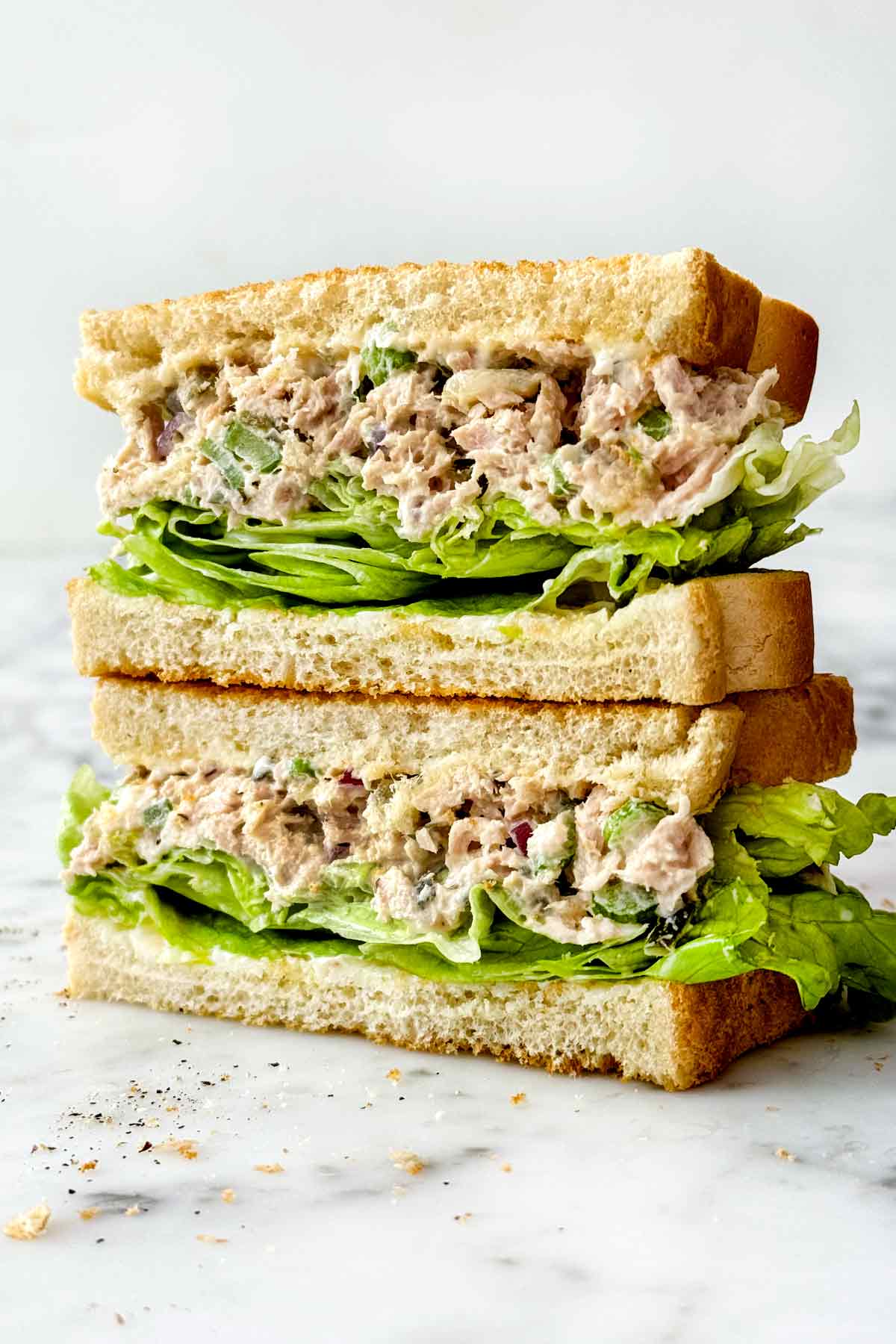
Tuna salad holds a cherished spot in the culinary landscape, a timeless classic evoking memories of comforting lunches, quick weeknight meals, and effortless entertaining. Far more than just a convenience food, a truly great tuna salad is a symphony of textures and flavors – creamy yet crunchy, savory with a bright zing. While seemingly simple, perfecting this beloved dish involves understanding the nuances of its essential ingredients and applying a few clever pro tips. If you've been searching for the definitive tuna salad recipe to elevate your everyday meals, you've come to the right place. We're about to dive deep into crafting a classic that’s both familiar and exceptional.
The Foundation: Essential Ingredients for a Classic Tuna Salad Recipe
At its heart, a classic tuna salad is built upon a handful of core components, each playing a vital role in the overall taste and texture. Our journey to the perfect bowl begins with selecting the best:
1. The Star: Tuna
- Type: The choice between solid, chunk, or flaked tuna is primarily one of texture. Solid white albacore offers larger, firmer pieces, while chunk light tuna (often skipjack or yellowfin) provides a softer, more easily integrated texture. Flaked tuna, as the name suggests, is finely broken apart. Experiment to find your personal preference.
- Packing Medium: Tuna packed in water is often preferred for a lighter flavor profile, allowing other ingredients to shine. However, tuna packed in olive oil can lend a richer, more luxurious mouthfeel, adding an extra layer of flavor. If using oil-packed tuna, you might adjust the amount of mayonnaise slightly.
- Draining is Key: Regardless of the type or packing medium, always drain your tuna thoroughly. Excess liquid will lead to a watery, unappetizing salad that lacks the desired creamy consistency. Press out as much moisture as possible for optimal results.
2. The Binder: Mayonnaise
Mayonnaise is the creamy backbone of any classic tuna salad. Its richness binds everything together and provides a smooth counterpoint to the crunchy vegetables. While store-bought brands are convenient, a high-quality mayonnaise can make a noticeable difference. For those who prefer a lighter touch, you can experiment with half mayonnaise and half Greek yogurt, though this will alter the traditional flavor profile slightly.
3. The Crunch & Zest Brigade: Vegetables & Pickles
These ingredients are crucial for adding texture, freshness, and that signature zing:
- Celery: Finely chopped celery provides an essential crispness and a subtle, refreshing bitterness that balances the richness of the tuna and mayo.
- Red Onion: A touch of finely minced red onion delivers a sharp, pungent bite and vibrant color. For a mellower flavor, you can soak the chopped onion in cold water for 5-10 minutes, then drain thoroughly, before adding it to the salad. This technique significantly reduces its intensity.
- Hard-Boiled Egg: A chopped hard-boiled egg adds a wonderful creaminess and a delicate, savory depth. It's a hallmark of many beloved classic tuna salad recipes.
- Dill Pickles: Finely chopped dill pickles introduce a tangy, briny counterpoint that cuts through the richness and brightens the entire dish. Some enthusiasts even add a splash of pickle juice for an extra acidic kick.
4. The Flavor Boosters: Mustard & Seasoning
- Dijon Mustard: A teaspoon or two of Dijon mustard adds a complex, pungent warmth that elevates the overall flavor without being overtly "mustardy." It's a secret weapon for depth.
- Lemon Pepper (or Fresh Lemon Juice): Lemon pepper delivers a convenient blend of citrus zest and black pepper, adding brightness. Alternatively, a squeeze of fresh lemon juice at the end can truly awaken the flavors, providing a vibrant finish.
- Salt & Pepper: Always season to taste. Remember that some canned tuna can be saltier than others, so start with a modest amount and adjust after tasting.
The Art of Preparation: Pro Tips for Making the Best Tuna Salad
Once you have your ingredients, how you combine them makes all the difference. Follow these expert tips for a restaurant-quality tuna salad recipe:
- Drain, Drain, Drain: This cannot be overstated. After opening your cans of tuna, use a fork or even your hand to press out as much water or oil as possible. A dry tuna base is fundamental to avoiding a soggy salad.
- Finely Mince Your Veggies: For a harmonious texture that holds together beautifully, strive for evenly sized, finely chopped celery and red onion. Aim for pieces around 1/8 to 1/16-inch. This ensures every bite has a consistent blend of flavors and textures, rather than overwhelming chunks of one ingredient.
- Mellow the Onion's Bite: As mentioned, soaking your minced red onion in cold water for about five minutes is a game-changer. It takes the harsh edge off, allowing the onion to blend more seamlessly with the other ingredients.
- Gentle Mixing: Combine all ingredients in a large bowl. Use a fork to flake the tuna to your desired consistency, then fold everything together gently. Over-mixing can break down the tuna too much and make the salad gummy.
- Taste as You Go: This is perhaps the most important tip for any recipe, especially for something as customizable as tuna salad. Add seasoning (lemon pepper, Dijon, salt, pepper) incrementally and taste frequently. You can always add more, but you can’t take it away!
- Chill for Flavor Development: While you can serve tuna salad immediately, allowing it to chill in the refrigerator for at least 30 minutes, or even a few hours, allows the flavors to meld and deepen. This makes for a much more cohesive and satisfying experience.
Customizing Your Classic: Beyond the Basic Tuna Salad Recipe
While the classic iteration is perfect on its own, one of the joys of tuna salad is its incredible versatility. It’s a forgiving dish that welcomes personal touches. Here are a few ideas to make your tuna salad recipe truly your own:
- Spice It Up: For those who love a bit of heat, a tiny amount of fresh minced jalapeño (seeds removed for less heat) adds a delightful kick without overpowering the other flavors. A pinch of cayenne pepper also works.
- Add More Veggies: Finely diced bell peppers (red or yellow for sweetness), shredded carrots, or even capers can add extra layers of flavor and texture.
- Herbaceous Freshness: Fresh herbs like finely chopped parsley, dill, or chives can dramatically brighten the salad and add an aromatic complexity.
- Swap Your Pickles: If you're not a fan of dill, try finely chopped sweet pickles or relish for a sweeter profile. The acidity is still important, just with a different flavor twist.
- A Touch of Sweetness: Some prefer a very subtle hint of sweetness. A tiny pinch of sugar or a few golden raisins can balance the acidity and richness.
The beauty of this classic is that it's a template for endless delicious possibilities. Don't hesitate to experiment and find what suits your palate best.
Serving Versatility & Smart Storage for Your Homemade Tuna Salad
One of the reasons the tuna salad recipe remains a timeless favorite is its incredible versatility in serving. Whether you're planning a casual lunch or a light dinner, tuna salad delivers:
- Classic Sandwiches: On your favorite bread (whole wheat, sourdough, rye), perhaps with a slice of tomato and lettuce.
- Open-Faced Delights: Piled high on toasted baguette slices or hearty crackers.
- Lettuce Wraps: For a lighter, low-carb option, scoop tuna salad into crisp lettuce leaves (butter, romaine, or iceberg work well).
- With Crackers or Veggies: A simple, satisfying snack with your favorite crackers, cucumber slices, or celery sticks.
- Stuffed Avocados or Tomatoes: For an elegant presentation, fill hollowed-out avocado halves or ripe tomatoes with your tuna salad.
Storage: Keeping Your Tuna Salad Fresh
Homemade tuna salad is also fantastic for meal prep. When stored in an airtight container in the refrigerator, it will stay fresh and delicious for 3 to 4 days. This makes it an ideal option for preparing ahead of time for lunches throughout the week, ensuring you always have a quick and healthy meal option on hand. For more ideas on efficient meal preparation and various serving styles, check out our guide on Quick Tuna Salad: Meal Prep, Storage, and Serving Versatility.
Conclusion
From its humble origins to its status as a culinary staple, the classic tuna salad offers a perfect blend of simplicity and satisfaction. By focusing on quality ingredients, employing smart preparation techniques, and embracing the freedom to customize, you can transform a basic concept into an extraordinary dish. This definitive tuna salad recipe isn't just about combining ingredients; it's about creating a harmonious balance of flavors and textures that will delight your palate every time. So, gather your ingredients, follow these pro tips, and embark on your journey to perfecting this timeless comfort food. Enjoy!
