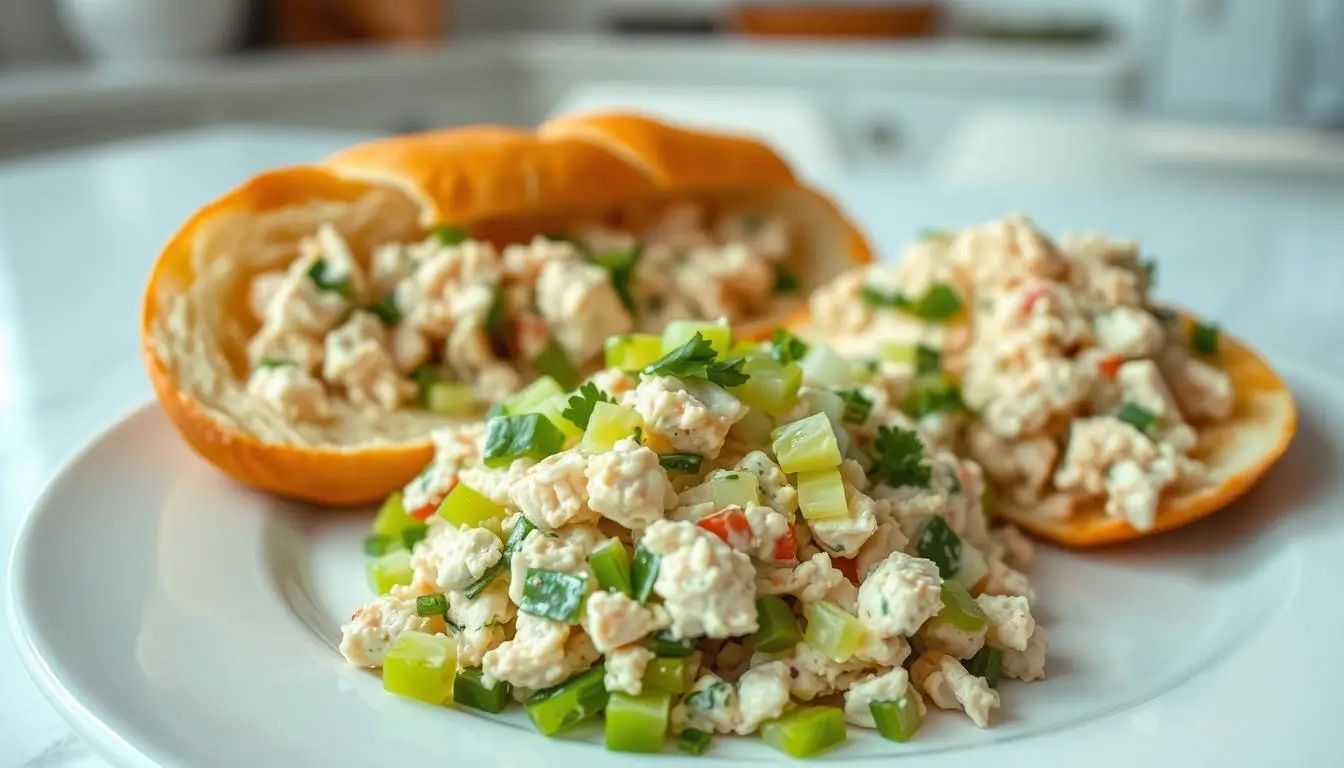
Quick Tuna Salad: Your Go-To for Effortless Meals
In a world of complex culinary creations, sometimes the simplest dishes shine brightest. Few can rival the humble yet mighty tuna salad for its speed, versatility, and sheer deliciousness. A timeless classic, a well-made tuna salad recipe is more than just a quick lunch; it's a foundation for countless meals, a hero for meal prep, and a testament to how a few simple ingredients can create something truly satisfying. Whether you’re a seasoned home cook or just starting your kitchen adventures, mastering this staple will unlock a world of convenient, protein-packed options.
This article delves into crafting the ultimate tuna salad, from selecting the right ingredients to mastering preparation techniques, and ultimately, how to store and serve it with maximum versatility. Get ready to transform your pantry staples into a culinary delight that will keep you fueled and satisfied throughout the week.
The Anatomy of a Perfect Tuna Salad: Essential Ingredients & Customization
At its heart, a great tuna salad is a symphony of creamy, crunchy, and savory notes. While specific preferences vary, the core components remain consistent, offering a robust canvas for customization. Understanding each ingredient's role is key to perfecting your own classic tuna salad recipe.
- The Tuna: Choosing Your Base
The foundation, naturally, is tuna. You have options:
- Packed in Water: This is often preferred for a lighter flavor profile, allowing other ingredients to shine. It's excellent for classic recipes.
- Packed in Olive Oil: Offers a richer, more luxurious texture and deeper flavor. It can be a gourmet upgrade, though you might need less mayonnaise.
- Solid White, Chunk Light, Flaked: The choice here primarily affects texture. Solid white offers larger, firmer pieces, while chunk and flaked tuna provide a more uniform, easily mixable consistency. Drain your tuna thoroughly, regardless of type or packing medium. Excess liquid is the enemy of a cohesive, flavorful salad, leading to a watery and unappetizing result.
- The Creamy Binder: Mayonnaise & Beyond
Mayonnaise is the traditional star, providing that signature creamy texture and tangy richness. Start with about 1/2 cup for two 12-ounce cans of tuna, then adjust to taste. For a lighter touch, you can experiment with:
- Greek Yogurt: Adds tang and protein while reducing fat.
- Avocado Mayonnaise: A healthier alternative with a rich flavor.
- A combination: Many enjoy mixing mayo with a dollop of yogurt or a mashed avocado for a balanced profile.
- The Flavor & Texture Brigade: Crunch, Zest, and Kick
These ingredients elevate tuna from simple fish to a vibrant salad:
- Celery: A non-negotiable for that essential crisp crunch and subtle earthiness. Finely chopped celery integrates best.
- Red Onion: Provides a sharp, piquant bite. However, raw red onion can be overpowering. We'll share a pro tip below for mellowing its intensity.
- Hard-Boiled Eggs: Finely chopped, they add a wonderful creamy texture, extra protein, and a touch of richness that complements the tuna beautifully.
- Dill Pickles: Or sweet pickles, if you prefer. Finely chopped pickles introduce a crucial tangy, briny element that cuts through the richness of the mayo and brightens the overall flavor. A splash of pickle juice can also be a secret weapon in the dressing.
- Dijon Mustard: Just a teaspoon or two provides a sophisticated zing and depth, enhancing the savory notes without overpowering them.
- Lemon Pepper or Fresh Lemon Juice: A squeeze of fresh lemon juice is highly recommended to awaken all the flavors, adding a bright, acidic finish. Lemon pepper combines this with a subtle peppery kick.
- Seasoning: Don't forget salt and freshly ground black pepper. Taste as you go, especially since canned tuna can vary in sodium content.
- Beyond the Basics: Endless Customization
Once you have the classic tuna salad recipe down, feel free to get creative. Consider additions like:
- Bell Peppers: For extra crunch and a hint of sweetness.
- Jalapeño: A finely minced jalapeño (seeds removed for less heat) can add a delightful, subtle kick.
- Capers: For an extra briny, salty punch.
- Fresh Herbs: Chopped fresh dill, parsley, or chives bring an aromatic freshness.
- Olives: Sliced black or green olives add a Mediterranean flair.
- Water Chestnuts: For an unexpected, extra-crisp texture.
Remember, tuna salad is incredibly forgiving! Feel free to adjust any ingredient to fit your personal taste preferences. For more ideas on how to personalize your mix, check out our guide on Craft Your Best Tuna Salad: Key Ingredients & Customization Guide.
Crafting Your Tuna Salad: Pro Tips for Flavor & Texture
While mixing ingredients might seem straightforward, a few professional techniques can elevate your tuna salad from good to truly exceptional.
- Drain, Drain, Drain!
This cannot be emphasized enough. Whether packed in water or oil, excess liquid will make your salad soggy and dilute the flavors. Press the tuna firmly against a colander or use a can opener lid to squeeze out as much moisture as possible.
- Mince with Precision
For a silky texture and balanced flavor in every bite, mince your celery, red onion, pickles, and hard-boiled egg into small, even pieces. Aim for 1/8- to 1/16-inch pieces. This ensures no single ingredient overpowers the others and creates a more pleasant mouthfeel.
- Tame the Onion's Bite
Raw red onion can be quite pungent. To mellow its intensity, finely mince the red onion and place it in a small bowl. Cover it with cold water and let it sit for about 5 minutes while you prepare other ingredients. Drain thoroughly before adding it to your tuna mixture. This simple step significantly reduces the onion's sharpness, allowing it to blend more harmoniously.
- The Brightness of Lemon
Even if you're using lemon pepper, a final squeeze of fresh lemon juice just before serving is a game-changer. It brightens all the flavors, adding a vibrant acidity that cuts through the richness of the mayonnaise and makes the entire dish pop.
- Taste as You Go
Ingredients like canned tuna and pickles can vary in saltiness. Add salt, pepper, and lemon juice incrementally, tasting after each addition, until you achieve your desired flavor balance. This iterative approach ensures a perfectly seasoned salad every time.
- Embrace the Chill
While you can serve tuna salad immediately, allowing it to chill in the refrigerator for at least 30 minutes (or even a few hours) allows the flavors to meld and deepen. The wait is worth it for a more harmonious taste.
Meal Prep Master: Storage & Longevity
One of the greatest advantages of a well-made tuna salad recipe is its suitability for meal prep. It's an excellent way to prepare healthy, protein-rich lunches and snacks for several days.
- Airtight is Key: To maximize freshness and prevent spoilage, always store your homemade tuna salad in an airtight container. This protects it from absorbing odors from other foods in the refrigerator and prevents it from drying out.
- Refrigerator Life: When properly stored in an airtight container in the refrigerator, homemade tuna salad will remain fresh and safe to eat for 3 to 4 days. This makes it an ideal candidate for preparing on a Sunday and enjoying throughout the work week.
- Temperature Safety: Like all perishable foods, tuna salad should not be left at room temperature for more than two hours. If you're packing it for lunch, ensure it stays cold with an ice pack.
- Freezing? Not Recommended: Due to the mayonnaise and fresh vegetable content, tuna salad does not freeze well. The mayonnaise will separate, and the celery and onion will become mushy upon thawing, significantly compromising the texture and appeal.
Serving Versatility: Beyond the Sandwich
While the classic tuna salad sandwich holds a special place in our hearts, the possibilities for serving tuna salad extend far beyond two slices of bread. Its versatility makes it a fantastic component for a variety of meals and snacks.
- The Classic Sandwich or Wrap: Pile it high on your favorite bread (whole wheat, sourdough, rye), or tuck it into a soft tortilla or pita bread for a quick and satisfying lunch.
- Lettuce Wraps: For a lighter, low-carb option, scoop generous portions into crisp lettuce cups (such as butter lettuce, romaine, or endive).
- Stuffed Avocados or Tomatoes: Halved avocados or hollowed-out tomatoes make elegant and nutritious vessels for tuna salad.
- With Crackers or Vegetable Sticks: Serve it as a dip or spread with your favorite crackers, pita chips, or an assortment of crunchy vegetables like carrots, celery sticks, bell pepper strips, or cucumber slices. Perfect for an appetizer or a healthy snack.
- Tuna Melts: For a warm, comforting twist, spread tuna salad on bread, top with a slice of cheese (cheddar or provolone work well), and toast or broil until golden and bubbly.
- On a Bed of Greens: Transform your tuna salad into a full-fledged meal by serving it atop a vibrant mixed green salad with a light vinaigrette.
- Stuffed Pasta Shells or Jacket Potatoes: For something a bit different, use tuna salad as a filling for large cooked pasta shells or as a delicious topping for baked potatoes.
Conclusion
From a simple pantry staple to a meal prep powerhouse, a well-executed tuna salad recipe is a culinary essential. It embodies convenience, versatility, and the comforting taste of a classic. By understanding the roles of each ingredient, employing a few simple preparation tips, and embracing its storage and serving potential, you can create a tuna salad that not only delights your taste buds but also simplifies your meal planning. So, go ahead, drain that tuna, chop those veggies, and mix up a batch of this timeless dish – your future self (and your taste buds) will thank you!
